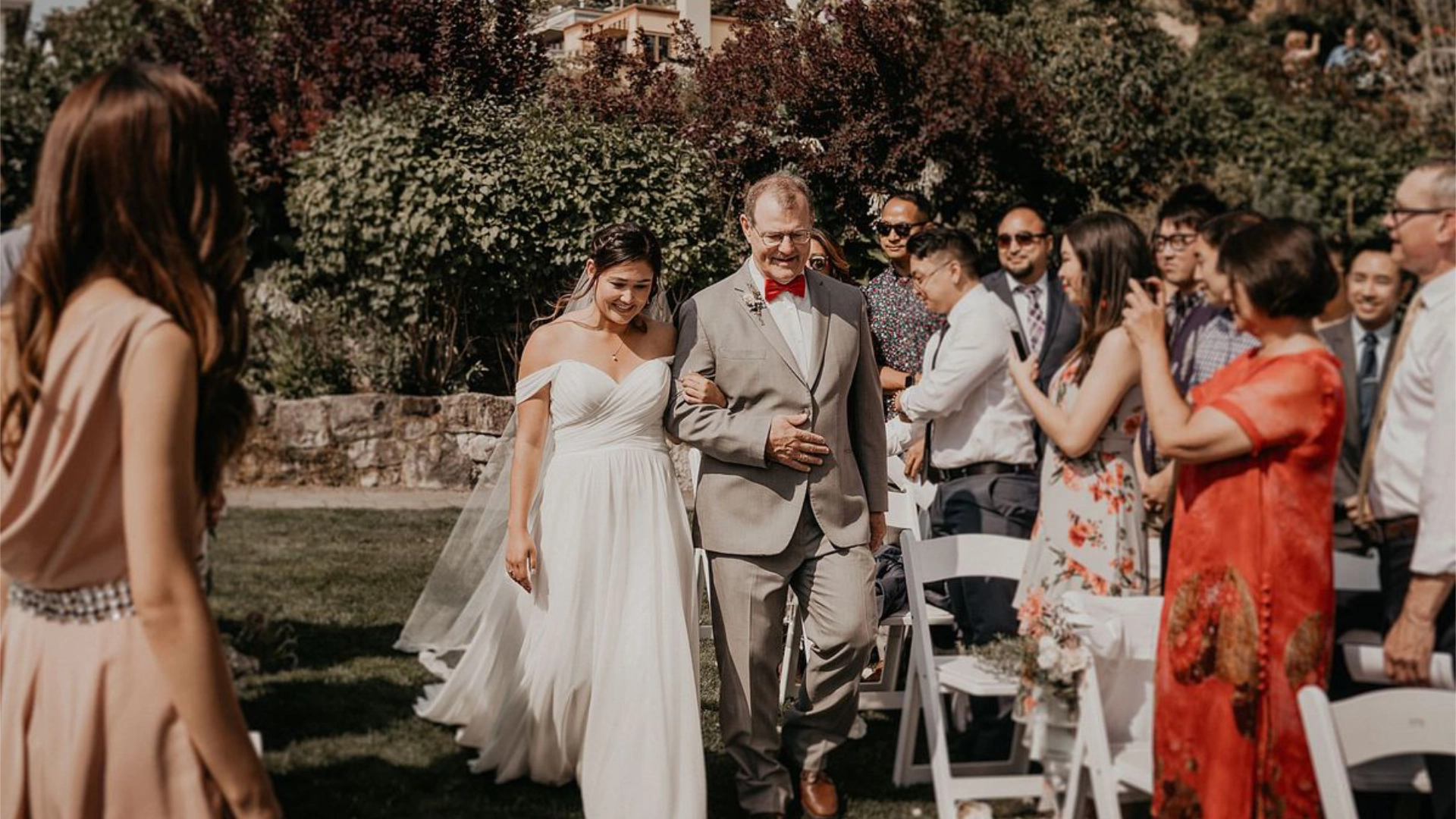
Nine small sips can create more planning questions than a full reception timeline. The San San Kudo wedding ceremony looks simple from the outside, but once real families, vendors, and guests from different backgrounds are involved, the details start to matter.
For an American man preparing for a Japanese or Japanese American marriage context, this ritual is worth understanding before the ceremony script is written. It is not just a beautiful custom to place into the day. It carries expectations about respect, family unity, timing, and how seriously the couple treats the moment.
The goal here is practical: understand what the ritual means, how it usually works, and how to include it without making it feel stiff, decorative, or overexplained.
What San San Kudo Wedding Ritual Means?
The San San Kudo ritual is a traditional sake-sharing ceremony, and for many couples that include a Japanese wife, it becomes one of the most meaningful parts of the wedding because it quietly symbolizes unity, endurance, and good fortune in marriage. The name is often translated as “three, three, nine times,” since the couple drinks from three cups and takes three sips from each. Nine is treated as a meaningful number because it suggests completion, lasting commitment, and marital harmony.
In the wedding itself, the focus is not alcohol. The sake represents a bond formed in front of witnesses. In many interpretations, it joins not only two people but also two families. That family layer can carry more weight than an American groom might expect, especially when relatives view the wedding as a public sign of respect rather than only a private celebration.
A future wife with Japanese heritage may care deeply about the ritual, feel neutral about it, or want to adapt it. Her family may have the same view, or a completely different one. Before discussing cups, photos, or reception placement, the better first question is what the ritual means to her personally. That answer should shape the rest of the planning.
How the Japanese Sake Ceremony Works?
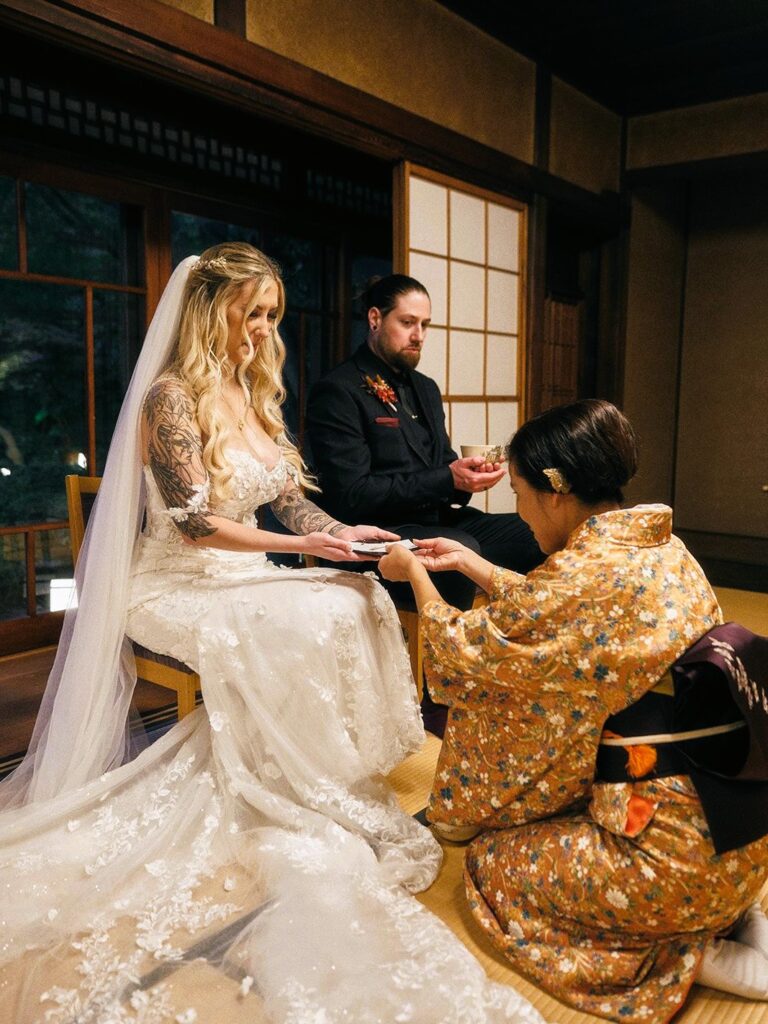
Traditionally, the sake ceremony uses three cups, often in different sizes and arranged with care before the ritual begins. The couple alternates drinking from them, taking three small sips rather than one full drink. In some versions, the first two sips are symbolic and the third is actually swallowed.
The pace is quiet and deliberate. In a Shinto-style ceremony, a priest or attendant may guide the order. In a modern or mixed-cultural wedding, the officiant, a family elder, or a bilingual emcee may take that role. What matters is that someone knows the sequence and can keep the moment calm.
A small example: the officiant pauses after the vows, names San San Kudo, explains that the couple will share three cups in three sips each, and asks guests to observe quietly. That short cue can prevent whispers, nervous laughter, or scattered applause after every sip.
Not every couple uses the strictest format. Some use one cup each. Some use nonalcoholic sake or a symbolic pour. Those adaptations can work when the meaning remains clear and the family members most affected by the change understand it ahead of time.
Choosing Cups, Sake, and Ceremony Timing
Small planning choices can decide whether the ritual feels steady or rushed. Cups, sake, placement, and timing should be settled before the final week, not handled as loose items on the wedding morning. If a planner, officiant, venue coordinator, or relative is involved, assign clear responsibility: one person for the physical objects, another for the ceremony cue.
Cups might be traditional lacquered vessels, ceramic sake cups, or pieces provided by family. Borrowed items can add emotional value, but they also create risk. If the cups are fragile, old, or irreplaceable, rehearse with substitutes and decide exactly where the real pieces will sit before and after the ceremony.
The sake does not have to be expensive. A clean, drinkable option is enough, and the pour should be small. That matters if either partner is nervous, does not drink often, or still has a long ceremony and reception ahead. For couples avoiding alcohol, a clear nonalcoholic alternative can be appropriate if family expectations are discussed in advance.
Ceremony timing usually works best after vows or as a central ritual before the pronouncement. Repeating it at the reception should have a clear purpose. If it is treated casually a second time, the original moment may feel less meaningful rather than more honored.
What Each Sip Promises Emotionally?
Repetition gives the ritual its emotional weight. Three cups and three sips slow the couple down in the middle of a day that often moves too quickly. The action is simple, but it asks both people to pause, follow the same rhythm, and accept that marriage is built through repeated choices, not one dramatic sentence.
Families may explain the three cups in different ways. Some connect them to heaven, earth, and humanity. Others speak of past, present, and future. Some frame them as gratitude, commitment, and family unity. No explanation should be forced if it does not match the couple’s beliefs or the family’s understanding.
Do not fake certainty about a tradition just to sound respectful. A simple line such as, “In our ceremony, we are using this ritual to honor commitment, family, and the patience marriage requires,” is better than repeating a formal meaning that neither partner actually understands.
The moment can also make real-life behavior visible. One person may rush when nervous. Another may look to family for reassurance. A wedding custom cannot prove compatibility, but it can show whether the couple has already discussed pressure, public attention, and expectations from both sides of the family.
Avoiding Awkward Cultural Assumptions
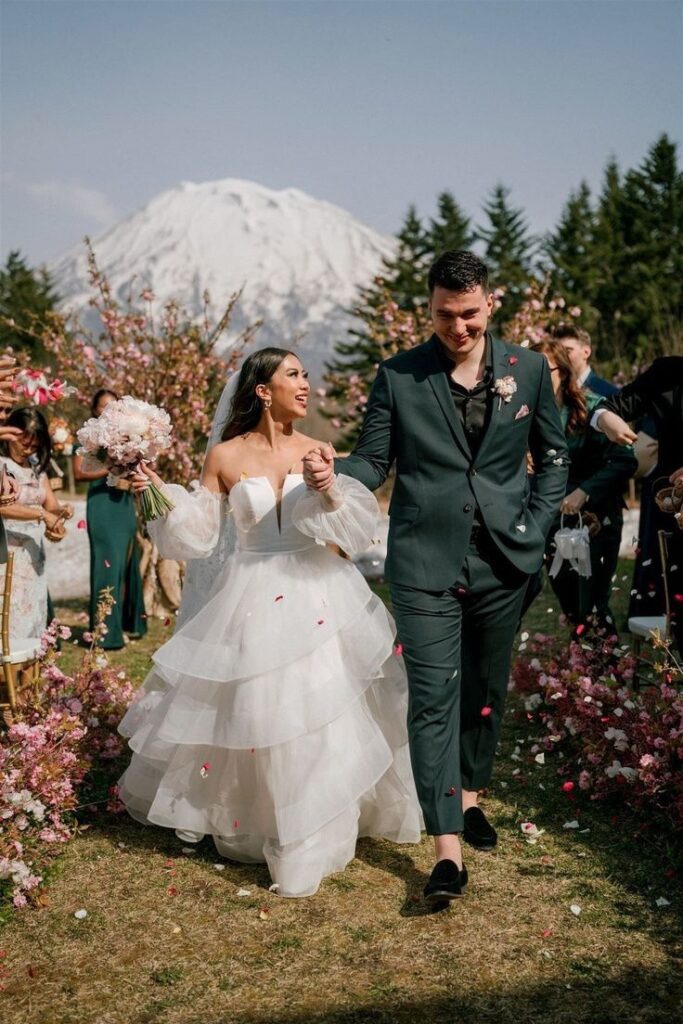
Respect becomes practical as soon as the ritual is placed in the ceremony. An American groom may be tempted to present it as an impressive cultural feature for guests who have never seen it before. That framing can feel wrong. San San Kudo is not entertainment; it is a formal act with personal and family meaning.
Assumptions about Japanese women, Japanese men, and family behavior can create unnecessary tension. Some relatives may be reserved, while others may be expressive and warm. Some may care strongly about tradition, while others may see it as optional. Culture gives context, but it does not tell anyone exactly how a family will act.
One common mistake is explaining the ritual so heavily that the Japanese side of the family feels displayed. The opposite mistake is offering no explanation at all, leaving American guests confused and disconnected. A brief program note or a short officiant explanation usually gives enough context without turning the moment into a lesson.
Wording deserves care. Avoid language that makes the bride sound like a cultural representative instead of a person getting married. She is not there to prove authenticity. The ritual should support the marriage, not turn her background into the main theme of the day.
Blending Traditions for American Guests
Contrast can work well when the ceremony is not overloaded. A San San Kudo wedding may include American vows, a ring exchange, readings, a unity candle, or a family blessing. The issue is not whether traditions can be combined. They can. The harder task is keeping the ceremony clear enough that each part has room to matter.
American guests usually respond better when they know what they are watching and when silence is expected. A printed program can name the ritual and give one or two sentences of meaning. The officiant can then offer a short spoken cue before the cups are used. More than that often interrupts the mood.
For planning sequence, decide the ceremony structure before designing the reception around it. First identify which rituals are central, which are optional, and which are mainly decorative. A useful filter is simple:
- Does this ritual matter to one or both families?
- Can it be explained in under one minute?
- Does it fit the couple’s actual beliefs and behavior?
- Is there enough time to rehearse it calmly?
- Will the officiant or planner know exactly when it happens?
If the rest of the wedding plan still feels unsettled, step back and organize the basic sequence first. A broader guide like these wedding planning considerations can help place the ritual within the full day instead of treating it as a separate add-on.
Honoring Family Without Performing Perfection
Family expectations are often the most delicate part because they may not be stated directly. A parent might say, “Do what makes you happy,” while still hoping the couple includes a traditional element. Another relative may care about the order of the cups, who pours, or whether the groom bows at a certain moment. Silence does not always mean indifference.
The couple should talk privately before asking for wider family input. Decide what is nonnegotiable, what can be adjusted, and what is being included mainly as a gesture of respect. That private agreement keeps later conversations from turning every suggestion into a loyalty test.
Perfection is not the point. A nervous hand, an uneven sip, or a brief pause will not ruin San San Kudo. Confusion causes more stress than small mistakes. If the groom does not know when to drink, whether to bow, or who receives the cup first, that uncertainty may show. A short rehearsal solves most of it.
Family help can be valuable when it has boundaries. An aunt may know the etiquette. A parent may provide cups. A bilingual relative may help with wording. Still, one person should coordinate final decisions. Too many informal directors can make the ceremony feel tense before it begins.
Reception Ideas That Keep Meaning Visible
The reception does not have to repeat the ceremony to respect it. Often, the stronger choice is quieter: carry the meaning forward through details guests can understand without being instructed all evening.
Food and drink are the most natural places to begin. A sake toast can work well if it is introduced briefly and poured modestly. Pairing sake with one course may feel more intentional than placing bottles at the bar without context. If some guests do not drink alcohol, offer a nonalcoholic toast option with the same care so it does not feel like an afterthought.
Décor can reference the ritual without turning the reception into a theme. The three cups might be displayed near the guest book after the ceremony, provided they are not fragile heirlooms. A small card can explain their role. Later, photos of the ritual may be included in thank-you notes or family albums, especially for relatives who could not attend.
Reception choices that usually work
- A short sake toast after the first welcome speech
- A program note explaining the three cups and nine sips
- A quiet display of the cups at a protected table
- A bilingual menu or sign if families speak different languages
- Music that supports the mood without pretending to be traditional if it is not
Venue layout can make these choices easier or harder. Before signing off on the space, look at where a cup display would be protected, how toast service would move through the room, and whether family seating supports the ceremony’s tone. Guidance on selecting the venue can help connect cultural plans to real floor plans, staff movement, and timing.
How the Ritual Builds Shared Trust?
Trust is built before the cups are lifted. The ritual feels stronger when the couple has already discussed the practical questions: who explains the ceremony, whether alcohol is comfortable, how much family input is welcome, and what to do if someone makes a mistake.
Careful behavior will matter more than dramatic gestures. Learn the order. Ask how names should be pronounced. Avoid joking through nervousness. Thank the relatives who helped. These small actions signal seriousness, especially in a cross-cultural wedding where family members may be watching how respect is shown.
The ritual also gives the couple a brief practice in moving together under observation. Weddings create public pressure. International relationships may add paperwork, language gaps, travel costs, and family distance. A calm ceremony does not remove those pressures, but it can show that both people are willing to slow down and coordinate.
One final planning step is worth doing in writing. Give the officiant the exact explanation. Tell the photographer when the cups will be used. Confirm who brings them, who pours, and where they go afterward. Shared trust often looks like ordinary preparation handled well.
A San San Kudo wedding ceremony works best when meaning leads and staging follows. Start with the couple’s own conversation, then confirm family expectations, wording, items, timing, and vendor roles. A one-page ritual plan with the order, names, objects, and responsibilities can prevent confusion and let the moment stay quiet, respectful, and real.
Leave a Reply